
Table of Contents
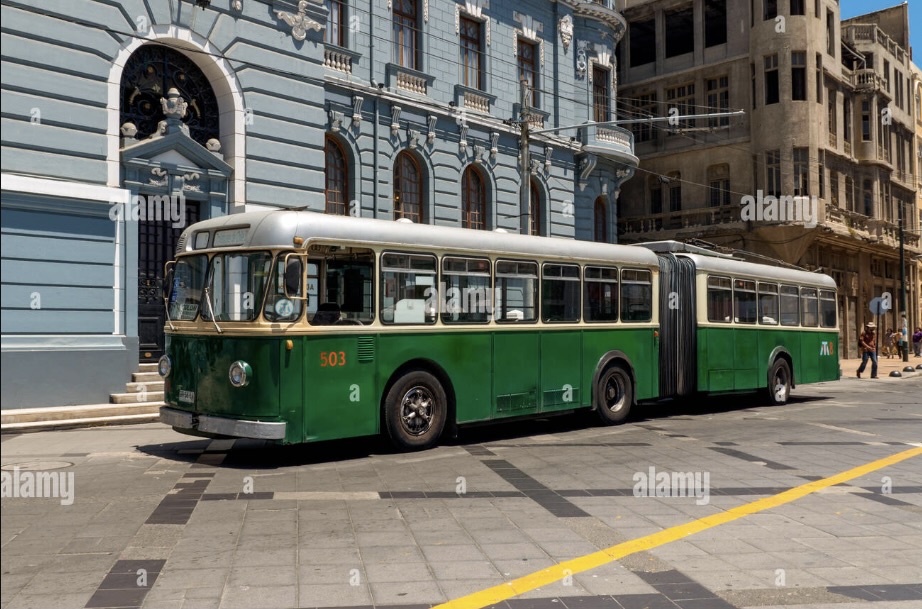
Few cities in the world have preserved a public-transport tradition as distinctive as Valparaíso’s electric trolleybuses. Winding through the historic streets of this colorful port city, these vehicles are more than a means of transportation—they are living symbols of Valparaíso’s industrial heritage, urban identity, and connection to the past.
🕰️ A History Connected to the City
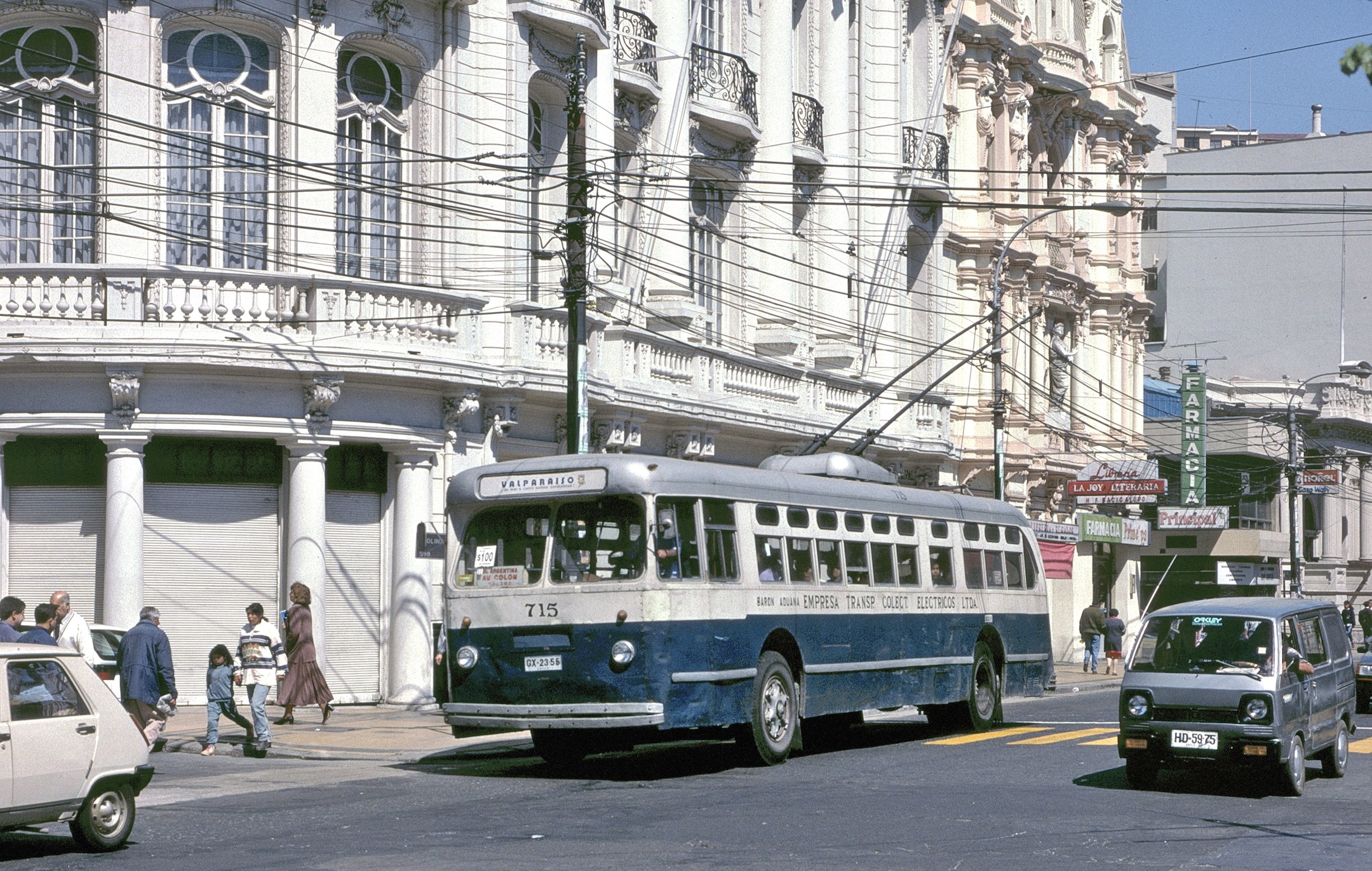
Valparaíso’s trolleybus system began operating on December 31, 1952, replacing the city’s historic tram network. It became the second trolleybus system established in Chile and one of the oldest continuously operating electric transit systems in South America.
The arrival of the trolleybuses marked an important chapter in the modernization of Valparaíso. Instead of relying on gasoline or diesel, the vehicles drew their power from overhead electrical wires, allowing them to move quietly through the city while producing no direct exhaust emissions.

🔌 How the Trolleybuses Work
Unlike conventional buses, trolleybuses do not use a diesel engine as their primary source of propulsion. They receive electricity through two overhead wires connected to the vehicle by poles mounted on the roof.

This system allows the trolleybuses to travel along fixed routes while maintaining a smooth and relatively quiet ride. Their operation reflects an early vision of clean urban mobility—one that remains highly relevant today as cities search for more sustainable forms of transportation.
🚌 The Famous Pullman Trolleybuses
Among Valparaíso’s most treasured vehicles are the classic Pullman trolleybuses, many of which were built in the United States during the 1940s and 1950s. Their distinctive rounded bodies, polished metal details, wooden interiors, and vintage design have made them beloved by residents, visitors, photographers, and transportation historians.
Some of these vehicles have survived for decades, making Valparaíso one of the very few places where passengers can still experience historic trolleybus technology in regular urban service.
🏙️ A Journey Through the Historic Port
Riding a trolleybus in Valparaíso is also a journey through the city’s cultural landscape. The routes connect important areas of the port, including historic plazas, commercial streets, hillside neighborhoods, and districts filled with colorful architecture.
As the trolleybus moves beneath the overhead wires, passengers experience the unique character of Valparaíso: steep hills, ocean views, painted façades, narrow streets, old buildings, and the lively energy of one of Chile’s most recognizable cities.

🎨 More Than Transportation
For Valparaíso, the trolleybuses represent much more than public transit. They are part of the city’s visual identity and collective memory.
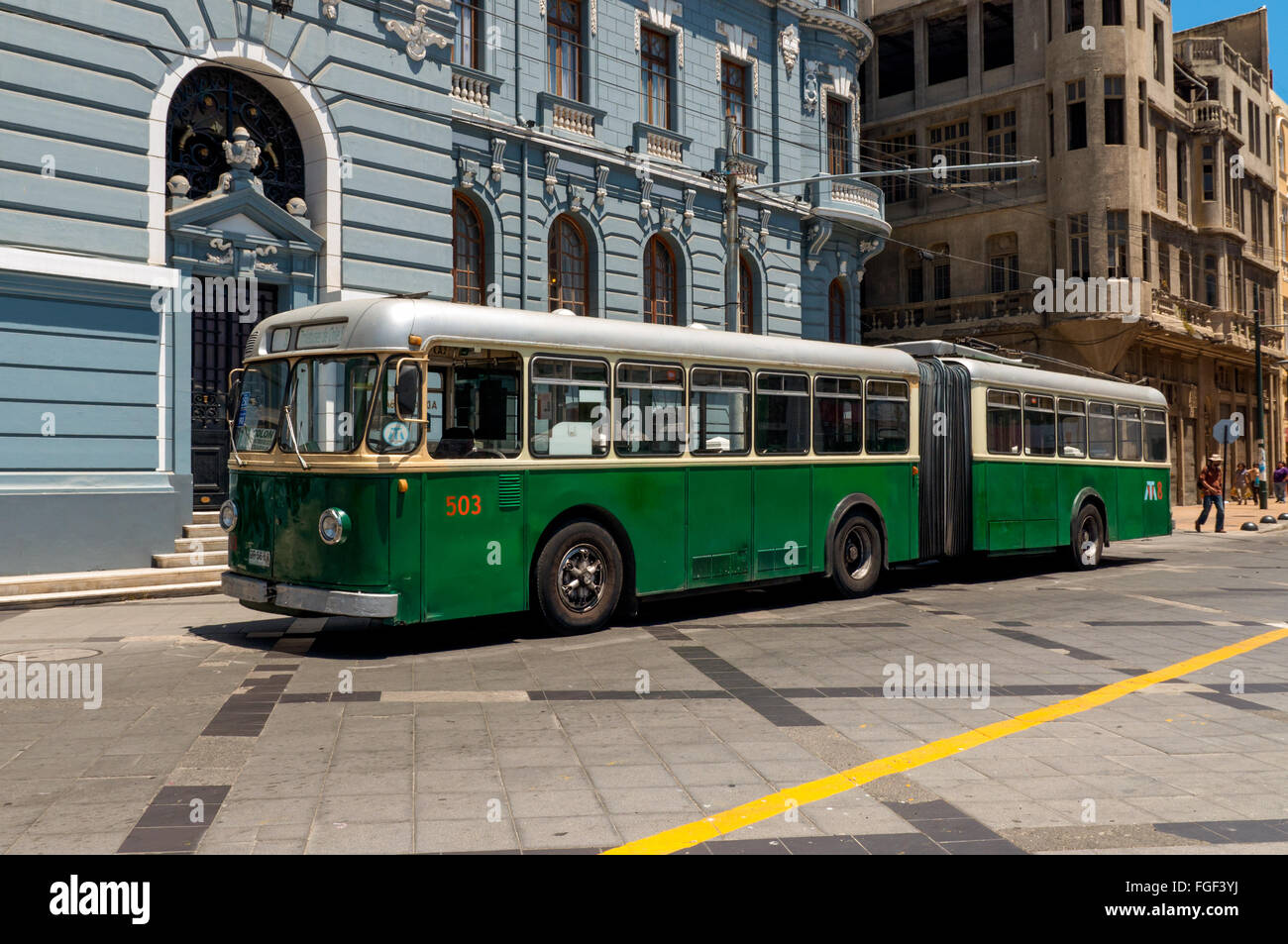
Their presence complements Valparaíso’s historic elevators, colorful hillside homes, street art, port activity, and UNESCO-recognized urban heritage. Together, these elements create a city where history is not confined to museums—it continues to move through the streets every day.
🌱 A Symbol of Sustainable Mobility
Long before electric transportation became a major global priority, Valparaíso was already operating an electric public-transit system.
Today, the trolleybuses offer an important reminder that sustainable transportation does not always need to be new. In many cases, cities can preserve, restore, and modernize the systems they already have—protecting cultural heritage while reducing dependence on fossil fuels.
❤️ Preserving a Living Heritage
The future of Valparaíso’s trolleybuses depends on continued investment, careful maintenance, and public appreciation. These historic vehicles require specialized knowledge and dedicated care, but their value extends beyond their age.
They connect generations. Older residents remember them as part of everyday life, while younger passengers and international visitors discover them as an extraordinary piece of living transportation history.

🌊 Valparaíso in Motion
The electric trolleybuses of Valparaíso continue to symbolize the city’s resilience, creativity, and enduring connection to its past. They travel beneath a network of overhead wires, passing brightly painted buildings and historic streets while carrying a story that began more than seven decades ago.
For anyone visiting Chile, a trolleybus ride through Valparaíso is not simply a trip from one neighborhood to another. It is an opportunity to experience the city’s history in motion—a quiet, electric journey through one of South America’s most atmospheric urban landscapes.
Valparaíso’s trolleybuses are not relics of a forgotten era. They are moving monuments, carrying the spirit of the port city into the future.