
Table of Contents
Few places on Earth create the same sense of wonder—and humility—as the Grand Canyon in northern Arizona. Carved by the Colorado River across immense spans of geological time, the canyon stretches for roughly 277 miles and reveals layer upon layer of ancient rock, dramatic cliffs, hidden side canyons, and vast desert landscapes.
From the first light of sunrise to the deep red glow of sunset, the Grand Canyon appears almost otherworldly. Yet behind its beauty is a more serious reality: this is a vast, remote, and physically demanding wilderness. Every year, visitors become lost, injured, stranded, or separated from their companions. Some are rescued quickly. Others are never found.

🏜️ A Landscape Larger Than It Appears
The Grand Canyon can be deceptive. From the rim, the South Rim and North Rim often appear close enough to touch, but traveling between them by road can require a journey of several hours. A trail that seems manageable from above may descend thousands of feet into a completely different climate.

The canyon’s scale can also make distances difficult to judge. A rock formation may look nearby while being miles away. A trail that descends easily in the morning must later be climbed in the heat of the afternoon. This contrast between visual beauty and physical difficulty is one of the canyon’s defining characteristics.

🌄 A Place of Extraordinary Beauty
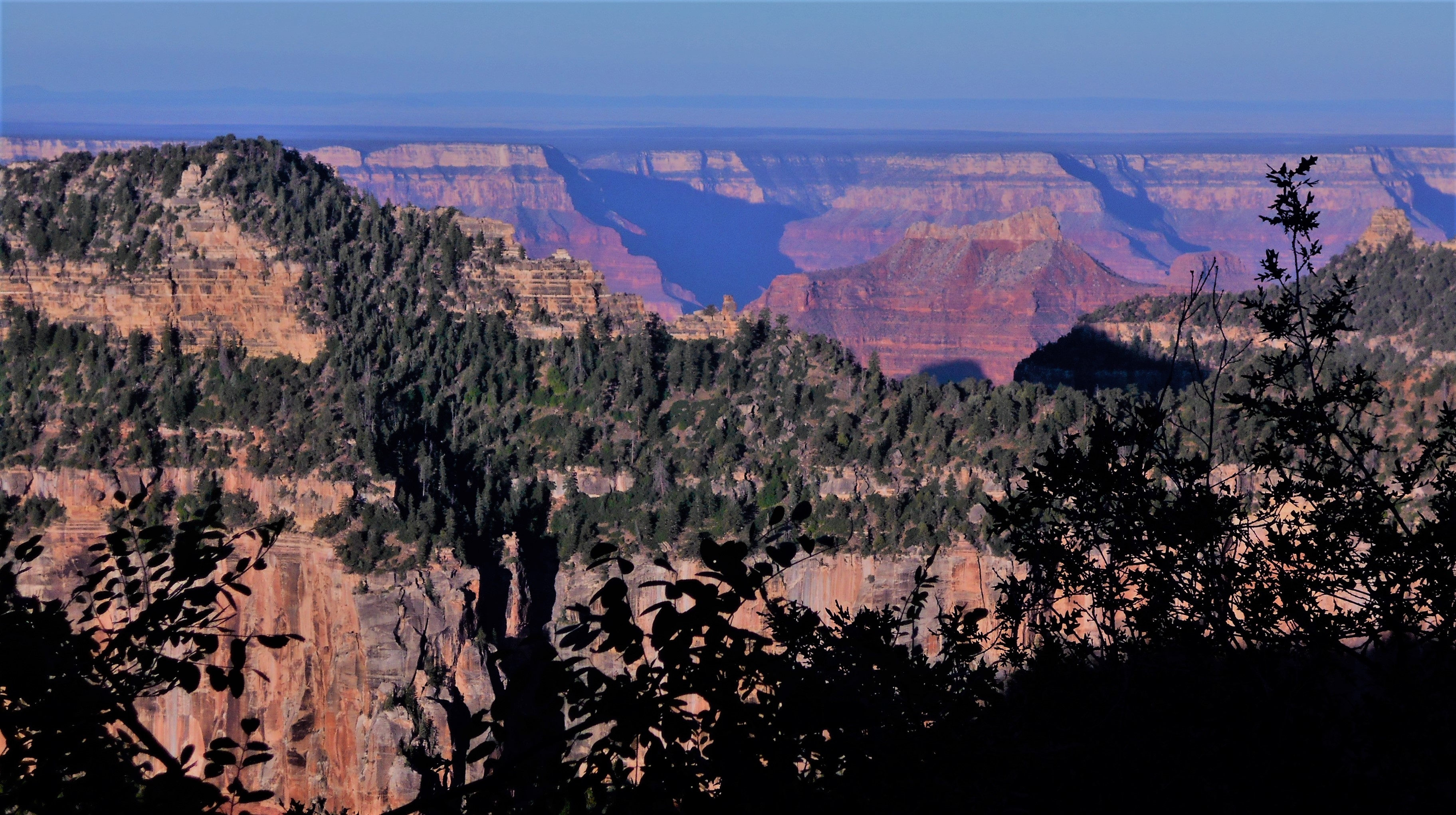
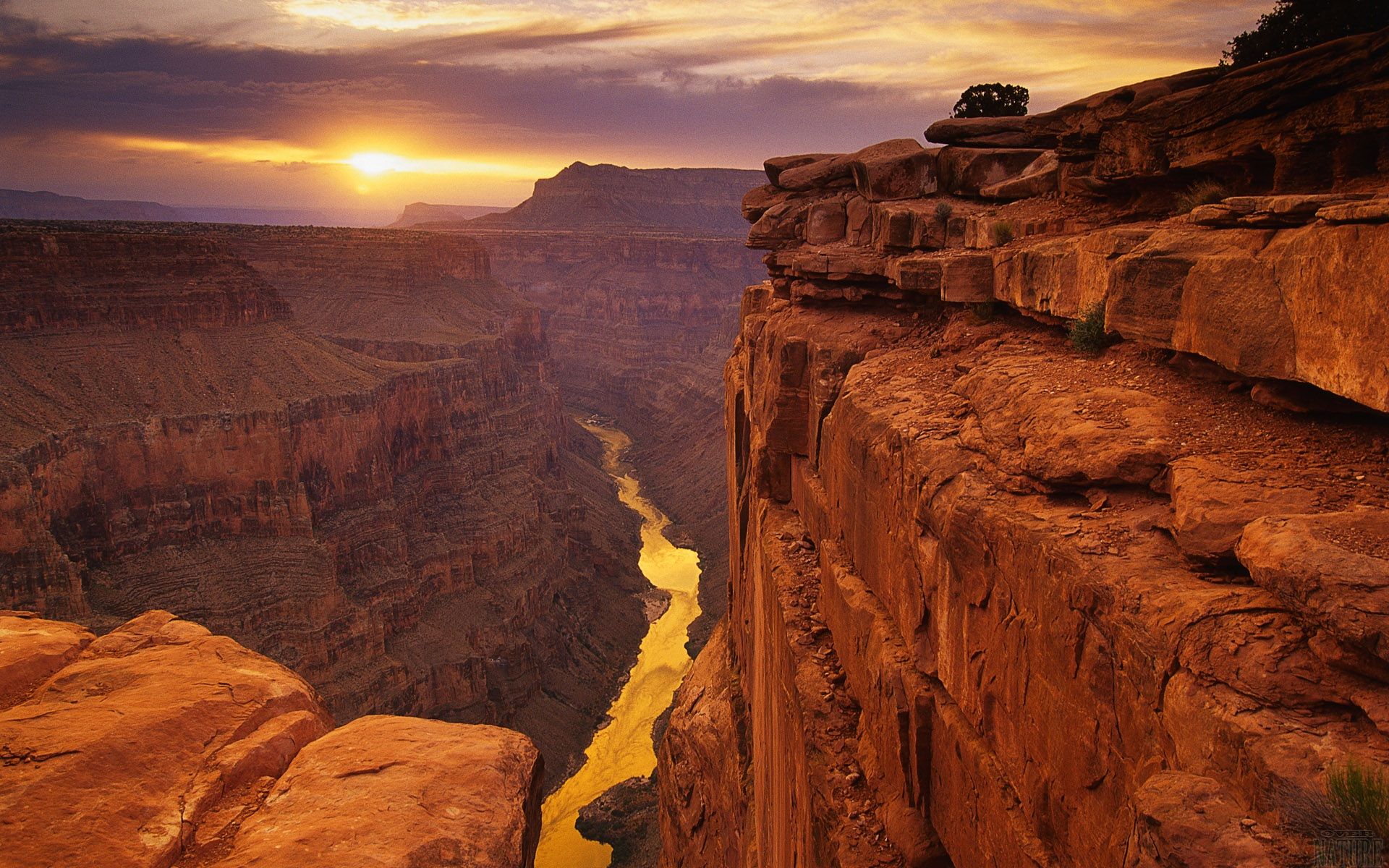
The Grand Canyon is famous for its changing colors. In the morning, the cliffs may appear pale gold and lavender. By midday, the canyon walls become brighter and more defined. At sunset, the exposed layers of limestone, sandstone, and shale can glow in shades of orange, red, pink, violet, and copper.
The canyon is also a place of remarkable silence. Away from the busiest viewpoints, visitors may hear only the wind, the distant call of a bird, or the sound of the Colorado River far below. The experience can feel timeless—yet the terrain is constantly shaped by weather, erosion, flash floods, falling rock, and extreme temperatures.
⚠️ When Visitors Go Missing
The subject of missing people at the Grand Canyon has attracted public attention for decades. Some disappearances result from accidents, falls, heat exposure, sudden medical emergencies, disorientation, or unexpected changes in weather. Others remain unresolved, leaving families and investigators without clear answers.
The National Park Service maintains information about missing-person cases in national parks and provides guidance on reporting someone who may be missing. [1] News reports have also documented recent searches at Grand Canyon National Park, including cases involving hikers and visitors whose whereabouts became unknown.
However, it is important to approach these stories carefully. The phrase “missing person” can describe many different circumstances. A person may be temporarily lost and later located safely; another may be overdue from a hike; and some cases may involve confirmed fatalities or unresolved disappearances. These situations should not automatically be presented as evidence of mystery or criminal activity.

🔎 Why Searches Are So Difficult
Searching for a missing person in the Grand Canyon is one of the most demanding operations in the American Southwest. The terrain includes steep cliffs, narrow ravines, dense vegetation near waterways, exposed plateaus, loose rock, and areas that are difficult to reach on foot.
Search teams may need to work across several environments at once:
- Rim country, where a person may be near overlooks, trails, or wooded areas
- Inner-canyon trails, where elevation changes are severe
- Remote side canyons, which may be accessible only by foot, helicopter, or river
- The Colorado River corridor, where currents and rapids create additional hazards
- Desert areas, where extreme heat and limited water can rapidly become life-threatening
The canyon’s depth also complicates communication. Cell-phone coverage may be unreliable or nonexistent in many areas. A person who becomes injured may not be able to call for help, and a rescue team may need considerable time to reach the location.

🚁 Search-and-Rescue Efforts
Grand Canyon search-and-rescue teams include National Park Service personnel, park rangers, medical responders, aviation crews, local emergency agencies, volunteers, and other specialists. Their work can involve trail searches, aerial reconnaissance, river operations, technical climbing, helicopter extraction, and medical evacuation.
According to the Grand Canyon Conservancy, the National Park Service responds to approximately 310 search-and-rescue incidents each year, involving situations ranging from medical emergencies to difficult evacuations. [2] These operations are often physically dangerous for rescuers as well as for the people they are trying to reach.
Many incidents never receive national attention because the person is found quickly or safely evacuated. Others become major news stories because of the remoteness of the location, the number of people involved, severe weather, or an uncertain outcome.

🌡️ Heat, Dehydration, and the “Downhill First” Mistake
One of the most common dangers in the canyon is underestimating the return journey. Hikers often begin by descending into the canyon, believing that the difficult part will be getting down. In reality, the climb back to the rim is usually far more demanding.
Temperatures can vary dramatically between the rim and the canyon floor. A comfortable morning at the top may become dangerously hot several hours later below. Dehydration, heat exhaustion, and heat stroke can develop quickly, particularly when visitors carry insufficient water or attempt strenuous hikes during the hottest part of the day.
The National Park Service repeatedly warns visitors not to judge a hike only by its distance. Elevation gain, heat, terrain, water availability, and a person’s physical condition are equally important.
🌧️ Flash Floods and Sudden Weather
Flash floods are another serious threat, particularly in narrow side canyons and areas near streams. Rainfall may occur far away from a visitor’s location, yet floodwater can travel rapidly through drainage channels and wash away people, equipment, bridges, or campsites.
Weather can also change quickly at higher elevations. Thunderstorms, lightning, strong winds, snow, and icy conditions may appear with little warning. A visitor who enters the canyon during calm weather may encounter entirely different conditions several hours later.
For this reason, the Grand Canyon should never be treated as a simple sightseeing destination. It is a wilderness environment where preparation, local knowledge, and respect for changing conditions are essential.
🧭 The Difference Between Mystery and Reality
Stories about missing people can easily become sensationalized. Some articles suggest that the Grand Canyon is full of unexplained disappearances or hidden secrets. While unresolved cases do exist, many incidents have understandable environmental explanations: difficult terrain, falls, exposure, illness, sudden weather, or a person traveling farther than planned.
Reported figures can also vary depending on the time period and definition being used. A modern news report may count a recent series of cases, while another source may refer to historical disappearances over many decades. Some statistics include people who were later found, while others focus only on unresolved cases.
Responsible reporting should therefore distinguish clearly between:
- People temporarily reported missing
- People found alive after a search
- Fatal accidents
- Unresolved cases
- Confirmed criminal investigations
- Historical cases with limited information
This distinction respects both the truth and the families affected.
👣 The Human Stories Behind the Statistics
Every missing-person case represents a person with family, friends, plans, and a life beyond the canyon. Behind every search are people waiting for news, hoping for a safe return, and living with uncertainty when answers do not come.
The public often remembers the dramatic landscape, but search-and-rescue professionals see the human consequences of poor preparation, sudden illness, risky decisions, and unexpected environmental hazards. Their work is not only about locating people; it is also about preventing future tragedies through education and public awareness.
🥾 How Visitors Can Stay Safe
Visitors can greatly reduce the risk of becoming lost or needing rescue by following a few basic principles:
💧 Carry More Water Than You Expect to Need
Water sources may be unavailable, damaged, seasonal, or unsafe to drink without treatment. Visitors should plan carefully and understand where reliable water is located.
🗺️ Stay on Established Routes
Leaving a marked trail can make navigation much more difficult and can complicate a search if something goes wrong.
📱 Tell Someone About Your Plans
Before beginning a hike, share the route, expected return time, vehicle information, and emergency contacts with someone who is not traveling with you.
🌤️ Check Weather Conditions
Thunderstorms, heat, snow, and flash floods can transform the canyon quickly. A forecast should be checked before entering remote areas.
🕰️ Turn Around Early
The most important decision on a difficult hike may be deciding not to continue. Reaching a destination is never more important than returning safely.
🧑🤝🧑 Avoid Hiking Alone in Remote Areas
A companion can provide water, call for help, assist with navigation, or stay with an injured person while another hiker seeks assistance.
🌌 A Landscape That Demands Respect
The Grand Canyon inspires people because it is beautiful beyond ordinary description. It is also powerful, isolated, and unforgiving. Its beauty can encourage visitors to explore, but its scale requires caution.
The same cliffs that create breathtaking photographs can become hazardous near unstable edges. The same river that appears peaceful from above can become dangerous at close range. The same trail that feels manageable in the morning can become exhausting beneath the afternoon sun.
This is what makes the Grand Canyon so compelling: it is not a theme park or a controlled attraction. It is a living wilderness shaped by geology, weather, water, and time.