At the southern edge of South America, where mountains rise above turquoise lakes and glaciers stretch across remote valleys, lies one of the world’s most extraordinary landscapes: Torres del Paine National Park in Chilean Patagonia.
Known for its dramatic granite towers, bright blue lakes, powerful rivers and sweeping grasslands, Torres del Paine is a place where nature feels vast, untamed and unforgettable.
A Landscape of Mountains, Glaciers and Water
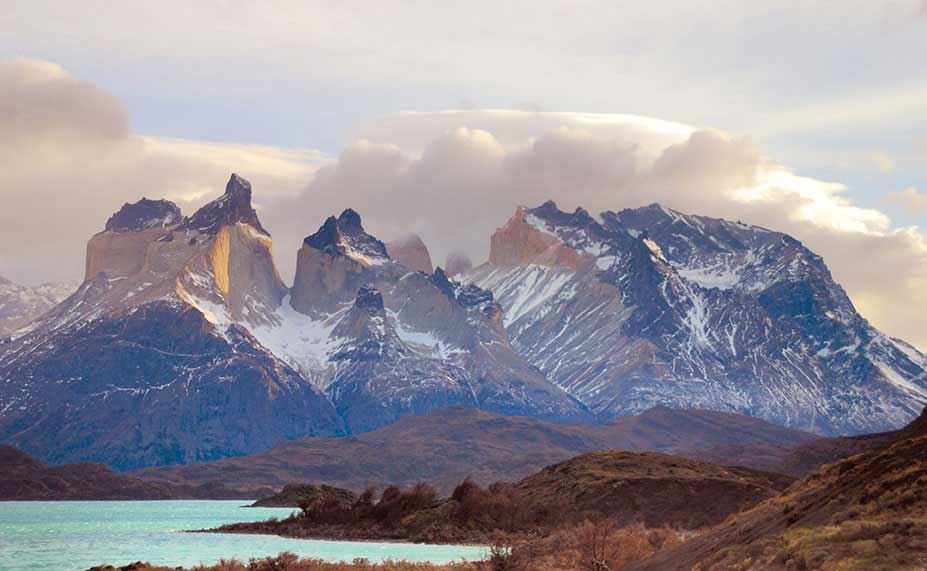
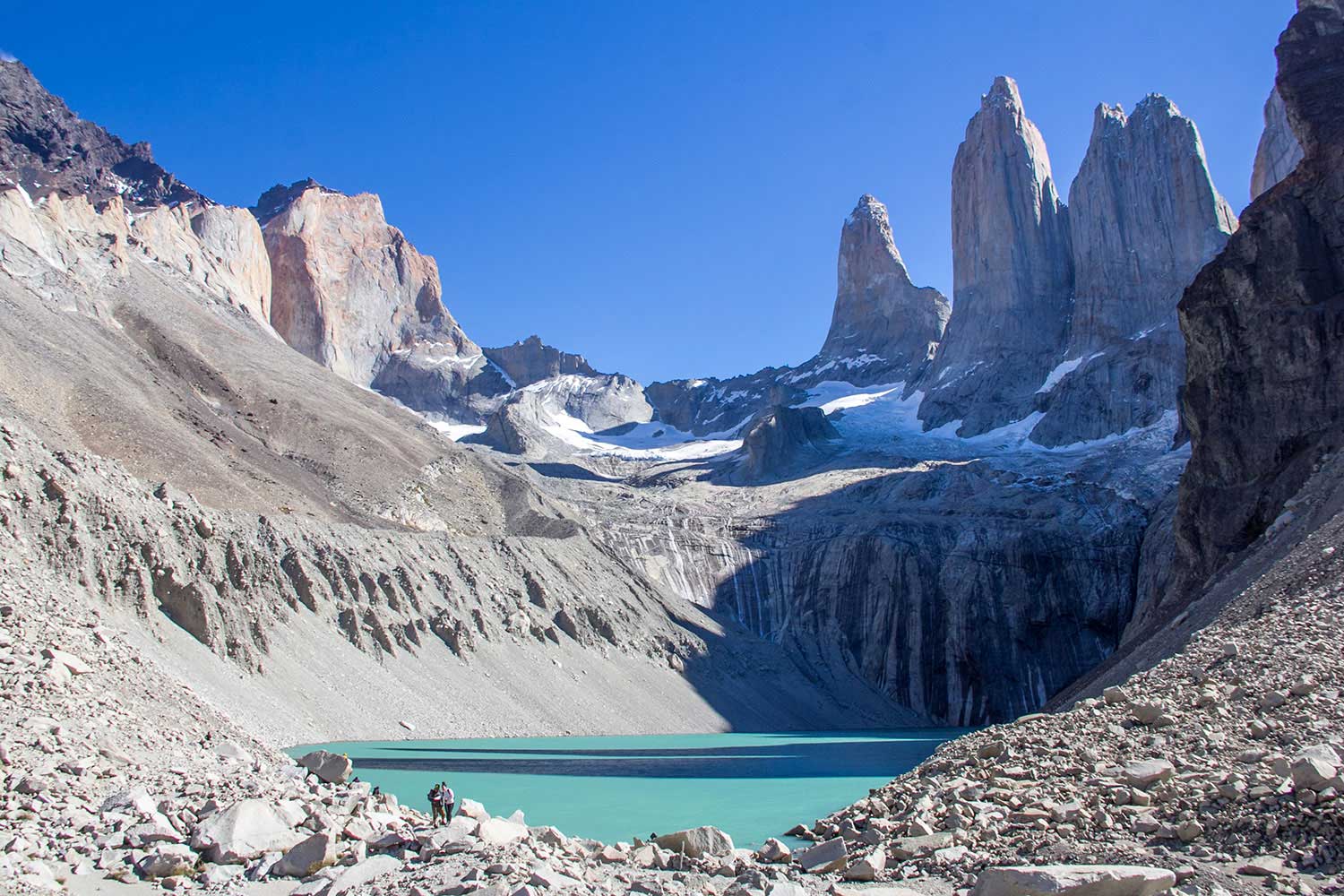
The park’s most famous landmarks are the three granite towers that give Torres del Paine its name. These enormous rock formations dominate the skyline and attract hikers and photographers from around the world.
The surrounding landscape is equally remarkable. Visitors can see the distinctive Cuernos del Paine, glacial valleys, waterfalls and lakes including Lago Pehoé, Lago Nordenskjöld and Grey Lake. Grey Glacier, part of the Southern Patagonian Ice Field, is one of the park’s most impressive natural features.
The colours of the region change constantly. Sunlight can turn the mountains golden, while clouds and wind create a constantly moving scene across the water and valleys. Patagonia is also known for rapidly changing weather, making every visit different.
A Protected Natural Treasure
Torres del Paine was established as a national park in the 1950s and later became a UNESCO Biosphere Reserve. Its protected area includes mountains, forests, wetlands, rivers, glaciers and open steppe.
The park provides habitat for many species, including guanacos, foxes, pumas, condors and several other native birds and mammals. These animals form part of a delicate ecosystem that depends on responsible management and careful conservation.
For visitors, protecting the park is essential. Staying on marked trails, following fire regulations, respecting wildlife and carrying out all waste help preserve this extraordinary environment for future generations.
A Place of Adventure and Reflection
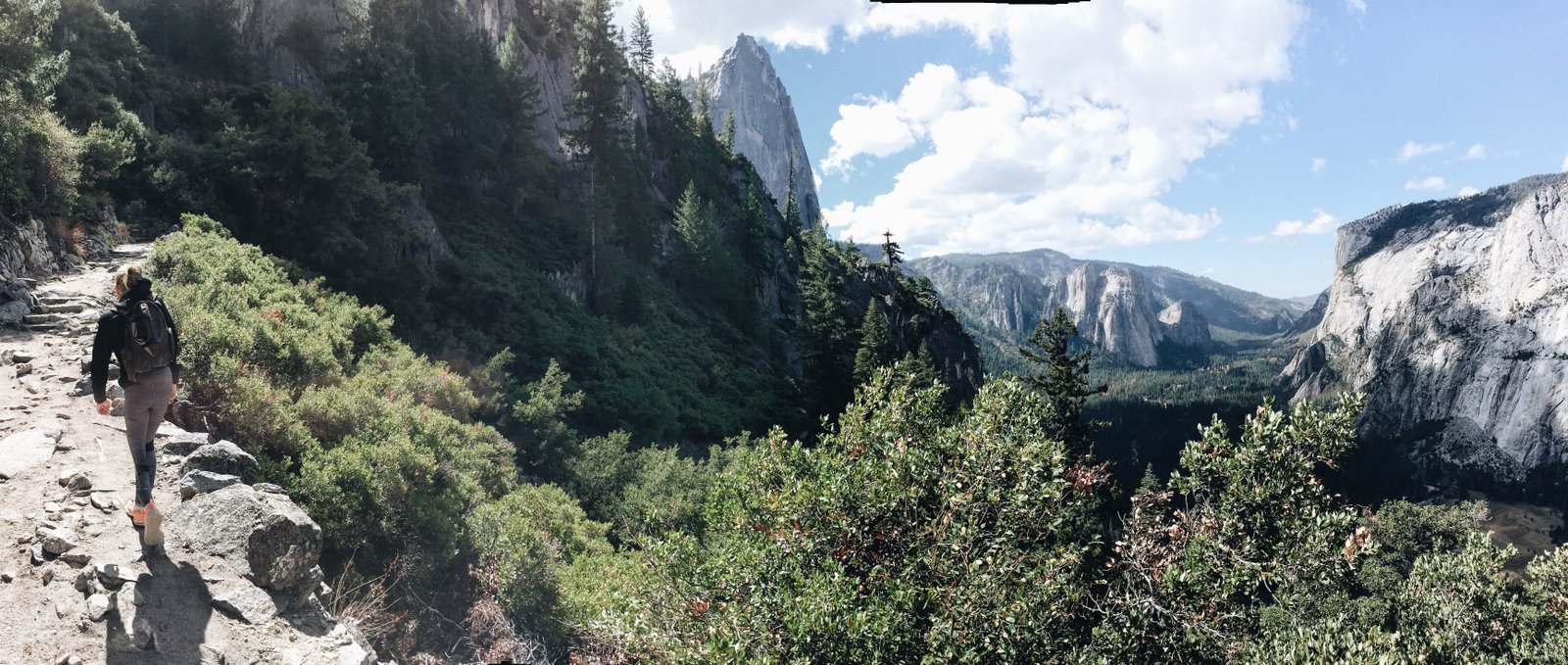
Torres del Paine is internationally known for its hiking routes, including the W Trek and the longer Circuit. These trails lead through forests, beside lakes and across mountain passes, offering views that change with every step.
Yet the park is not only a destination for experienced hikers. Its beauty can also be appreciated from scenic viewpoints, boat excursions and quieter areas away from the busiest trails.
There is something deeply moving about standing beneath the Patagonian sky and watching clouds move over the peaks. The landscape encourages visitors to slow down, pay attention and appreciate the scale of the natural world.
Preserving Patagonia’s Beauty
Torres del Paine is beautiful because it remains connected to the forces that shaped it: ice, wind, water and time. Its mountains and glaciers are not simply scenic backdrops—they are part of a living environment that must be protected.
A visit to Torres del Paine is more than a trip to a famous national park. It is an opportunity to experience one of the planet’s great wilderness areas and to understand why conservation matters.
In Chilean Patagonia, beauty is not found in one single view. It is present in the entire landscape—from the first light on the granite towers to the last reflection across a glacial lake.Torres del Paine landscape